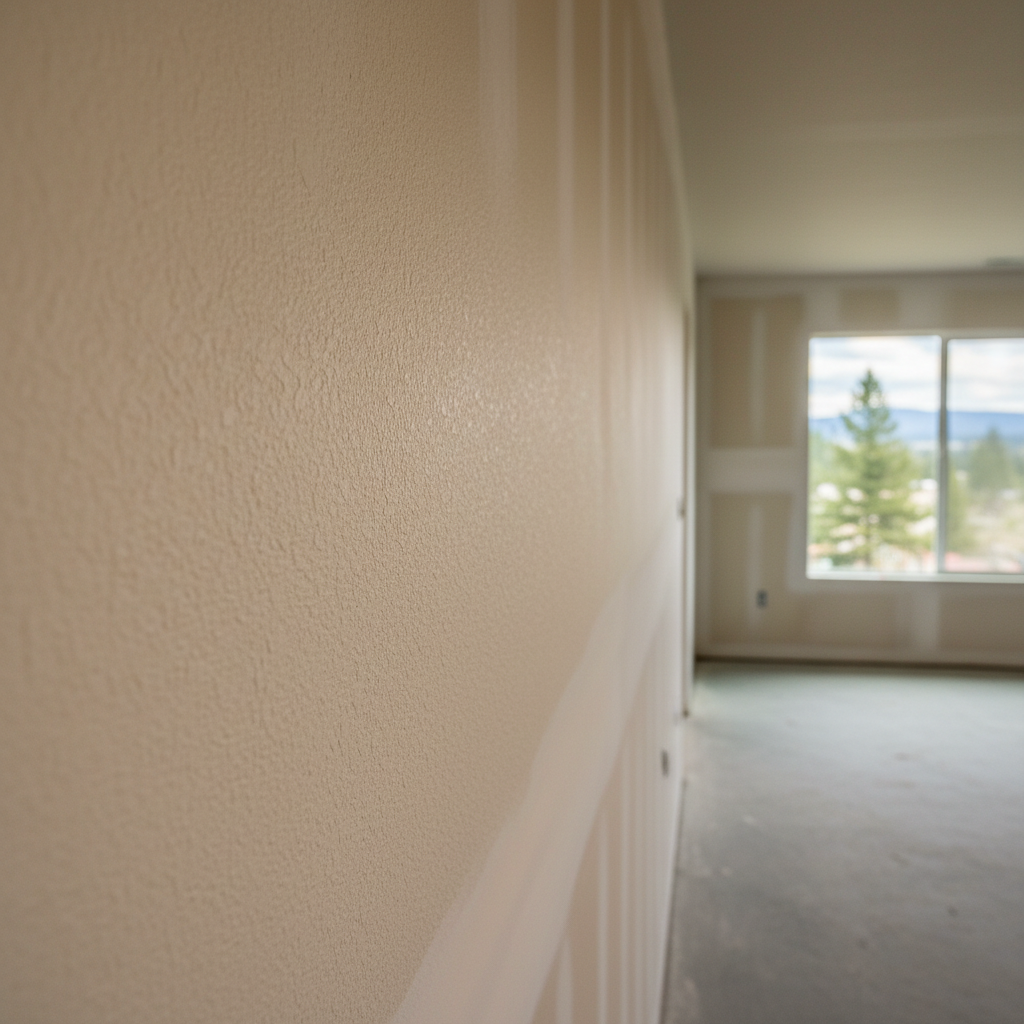
So, you're looking at a bare wall, maybe after a remodel, and thinking, "How hard can hanging drywall really be?" It's a fair question. Drywall isn't rocket science, but there's definitely a knack to it, and a lot of folks underestimate the work involved to get a truly smooth, paint-ready finish. As someone who's been doing this in Spokane for years, I've seen it all – the good, the bad, and the really lumpy.
Before You Even Buy a Sheet
Planning is everything. Seriously. Don't just run to Home Depot and grab a stack of sheets. First, measure your space accurately. You'll need to figure out how many 4x8 or 4x12 sheets you need. Remember, you want to minimize seams, so sometimes a bigger sheet is better, even if it's a pain to haul. Think about the type of drywall too. Regular 1/2-inch is standard for walls. If it's a ceiling, you might want 5/8-inch for better sag resistance, especially if your joists are spaced 24 inches apart. For bathrooms or other high-moisture areas, you'll want mold-resistant (often green or purple board). Fire-rated drywall (Type X) is also a thing for certain code requirements, like between a garage and living space. You'll also need screws – not nails, please – and a screw gun with a depth setter. Don't forget a utility knife, a T-square, and a good straightedge.
One thing I always tell folks in Spokane, especially if you're working on an older home in, say, the South Hill or Browne's Addition, is to check your studs. Are they straight? Are they consistently spaced? Old houses can have some surprises. Sometimes you'll need to shim out a few studs to get a flat surface. Skipping this step is a recipe for wavy walls, and no amount of mudding will fix that.
Hanging the Drywall: The DIY Sweet Spot
Okay, so you've got your materials. Hanging the actual sheets? That's probably the most homeowner-friendly part of the whole process, especially on walls. You can definitely do this yourself. Cut your sheets to size, hold them snug against the studs, and screw them in. Make sure the screws are slightly recessed, but don't break the paper. You want that little dimple without tearing through. Start at the top of the wall and work your way down. Stagger your seams – don't have all your vertical seams line up on the same stud bay. Think of it like bricklaying. This adds strength and makes the finishing easier.
Ceilings are a different beast. They're heavy, awkward, and gravity is not your friend. If you're doing a ceiling alone, you'll want a drywall lift. You can rent these, and they're a lifesaver. Without one, it's a two-person job, minimum. Even then, it's tough on the neck and shoulders. If you're not comfortable with ceilings, this is often where I tell people to call in the pros. We've got the tools and the technique to get those big sheets up without a fuss.
The Finishing: Where Most DIYers Hit a Wall (Literally)
This is where the real skill comes in, and frankly, where most DIY drywall projects go sideways. Taping and mudding is an art form. You're trying to make those seams disappear completely. You'll need paper tape for the seams, mesh tape for inside corners (sometimes), and drywall compound (mud). There are different types of mud – all-purpose, lightweight, quick-setting. For a beginner, an all-purpose lightweight compound is usually the easiest to work with.
Here's the basic idea: First coat, embed the tape. You put a thin layer of mud, press the tape into it, then skim another thin layer over the tape. Let it dry completely. Then, second coat: wider, feathering out the edges. Let it dry. Third coat: even wider, even thinner, feathering it out even more. Each coat needs to be wider than the last to create a smooth, invisible transition. Sanding happens between coats, lightly, to knock down any high spots. Dust, dust, and more dust. You'll want a good respirator and to seal off the area.
Corners are tricky. Inside corners use paper tape folded down the middle. Outside corners usually get metal or plastic corner bead, which you attach with screws or spray adhesive, then mud over. Getting those perfectly straight and sharp takes practice. This is the part that takes patience, a steady hand, and a good eye. If you rush it, or don't feather out enough, you'll see those seams and humps once the paint goes on. Trust me, you'll see them. Every time you walk into that room.
When to Call Done Right Spokane Drywall
Look, I'm all for homeowners tackling projects they feel comfortable with. Hanging the sheets, especially on straight walls, is totally doable for many. But when it comes to the finish, if you're not confident you can get it perfectly smooth, or if you're dealing with vaulted ceilings, complex angles, or a whole house remodel, that's when you should call us. A professional finish makes all the difference in how your home looks and feels. We've got the experience, the right tools, and the techniques to get it done efficiently and beautifully. You'll save yourself a ton of frustration, dust, and potentially having to redo it later. Sometimes, knowing when to call in a pro is the smartest DIY move you can make.