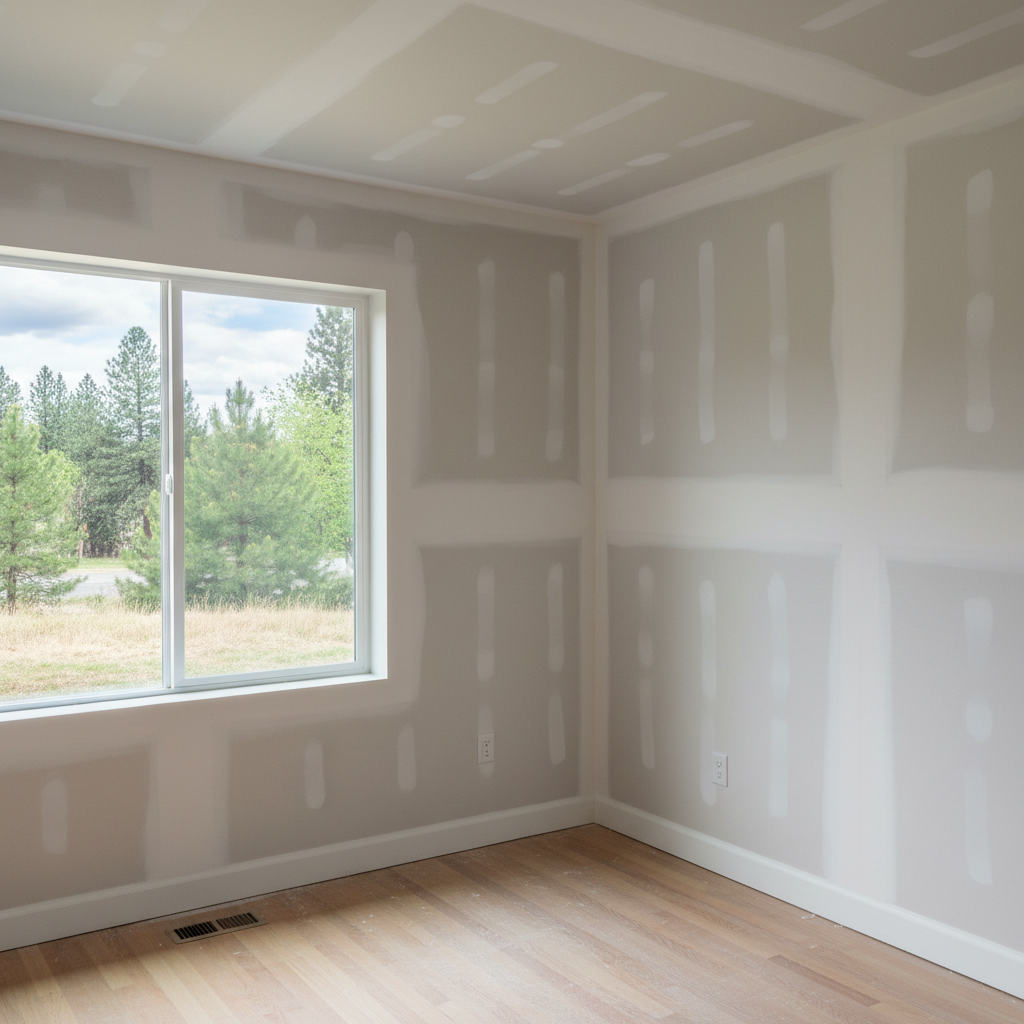
You've got new sheetrock up, maybe we even installed it for you at Done Right Spokane Drywall. It looks great, feels solid, and you're probably thinking, 'Okay, that's done.' But just like anything else in your home, a little maintenance goes a long way. You don't just build a house and never clean it, right? Same goes for your walls. Taking care of your drywall isn't rocket science, but ignoring it can lead to bigger, more expensive problems down the road.
Extend Your Drywall's Lifespan: Simple Habits
The biggest thing you can do to keep your drywall looking good and lasting long is pretty basic: control your indoor environment. Spokane winters can be brutal, and those dry, cold spells followed by damp springs or hot, dry summers put stress on everything, including your walls. Extreme temperature swings and humidity fluctuations are drywall's worst enemy. If your house gets too dry, especially during those long stretches of freezing weather we get, your drywall can shrink a bit, leading to hairline cracks, especially around door frames and windows. Too much humidity, on the other hand, can lead to softening or even mold.
So, what can you do? Keep your home's humidity levels consistent. A good range is between 30-50%. In winter, you might need a humidifier; in summer, a dehumidifier, especially if you're in an older home in the South Hill area that might not have the best vapor barrier. Good ventilation in bathrooms and kitchens is also crucial. Always run the fan during and after showers or while cooking to pull that moisture out.
Beyond climate control, treat your walls gently. Avoid banging furniture into them, especially at corners. Use appropriate anchors when hanging heavy items – don't just sink a screw into bare drywall expecting it to hold a 50-pound mirror. That's asking for a crater.
Regular Maintenance: What to Look For
You don't need to inspect your walls with a magnifying glass every day, but a quick visual check every few months, or when you're cleaning, can catch small issues before they become big ones. Here's what I tell folks to keep an eye on:
- Dust and Dirt: Sounds obvious, but dust and grime can build up, especially in textured finishes. A gentle wipe-down with a damp (not soaking wet!) cloth can keep them looking fresh. For painted walls, a mild soap solution works fine.
- Small Scuffs and Marks: Kids, pets, moving furniture – life happens. Most small scuffs can be cleaned with a magic eraser or a dab of touch-up paint. Keep a small can of your wall paint handy for this exact reason.
- Hairline Cracks: These are common, especially in older homes or new builds as the house settles. If they're just tiny, superficial lines, they're usually cosmetic. You can typically fill them with a lightweight spackle and touch up the paint. If they're wider than a credit card or growing rapidly, that's a different story.
- Nail Pops: These are those little bumps where a nail or screw head pushes through the joint compound and paint. They're usually due to lumber shrinking and expanding. You can fix these by driving the nail/screw deeper, adding another one nearby, then patching and painting.
Warning Signs: When Something's Not Right
Some things you just can't ignore. These are the red flags that tell you your drywall might have a more serious problem brewing:
- Water Stains or Discoloration: Any kind of yellow, brown, or dark stain on your ceiling or walls is a huge warning sign. It means water is getting in from somewhere – a leaky roof, a plumbing issue, or condensation. Don't just paint over it; find the source of the leak first. Water damage can quickly lead to mold and structural issues.
- Soft or Spongy Areas: If you press on the drywall and it feels soft or gives way, that's a sign of significant moisture damage. This needs immediate attention.
- Large Cracks or Bulges: Cracks that are wide, long, or run diagonally from corners of doors and windows can indicate structural movement. Bulges in the wall often mean water damage or a framing issue.
- Mold or Mildew: Black, green, or fuzzy spots on your walls, especially in areas with high humidity, mean mold. This isn't just an aesthetic problem; it's a health hazard. You'll need to address the moisture source and properly remediate the mold.
- Persistent Odors: A musty smell, even if you don't see visible mold, can indicate hidden moisture or mold growth behind the walls.
When to Call a Professional
Look, I'm all for homeowners tackling what they can. Patching a small hole or touching up paint? Go for it. But there are times when you really need to bring in the pros. If you see any of those major warning signs – significant water damage, large cracks, widespread mold, or structural concerns – don't mess around. Trying to DIY a big water damage repair without addressing the source or properly drying out the area can lead to bigger, more expensive problems down the line.
If you're unsure about the cause of a problem, or if the repair seems beyond your skill level, give us a call. We've seen it all, from minor dings to major water damage repairs, especially in homes that have seen a few too many Spokane winters without proper maintenance. Getting a professional assessment early can save you a lot of grief and money in the long run. We're here to help, and we'll tell you straight what needs doing.