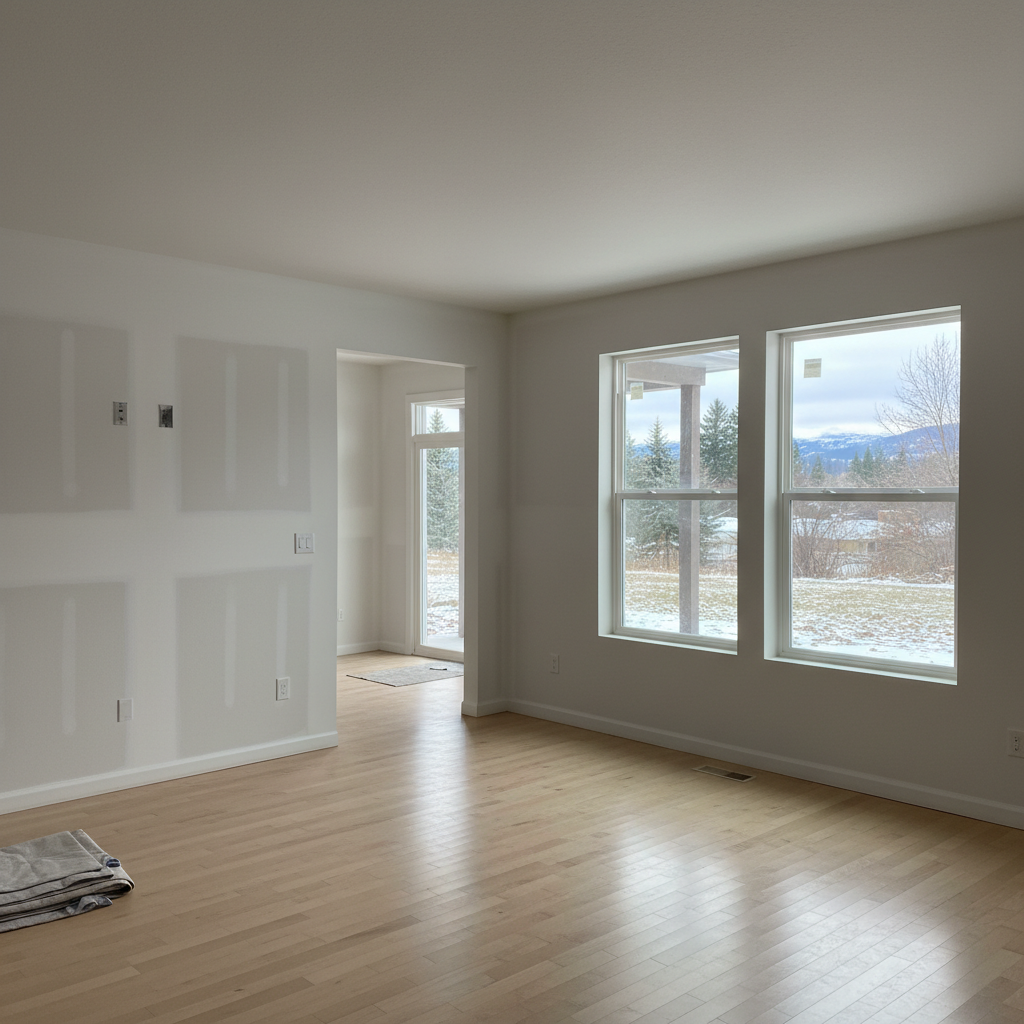
So, you're eyeing a drywall project, maybe finishing off the basement or adding a new room, and you're probably asking yourself, "When's the best time to tackle this?" That's a really good question, and honestly, the seasons right here in Spokane have a lot to say about it. It's not just about when your schedule opens up; the weather outside and even inside your house plays a huge role.
Why Spokane's Weather Really Matters for Drywall
Drywall isn't just a simple board; it's made of paper, gypsum, and that all-important mud. All these materials react to temperature and humidity. Here in Spokane, we get the whole shebang: super dry, hot summers, wet springs and falls, and cold, often snowy winters. Each season brings its own set of challenges and opportunities when you're hanging drywall.
Think about it for a second. If it's too cold, that joint compound (our mud) takes forever to dry. But if it's too hot and dry, it can actually dry too fast, which often leads to cracks. Too much humidity? Again, slow drying, and you risk mold if things stay damp for too long. We've seen every scenario, from houses on the South Hill to those way out by Five Mile Prairie, where conditions can actually change quite a bit within just a few miles.
The Best Times for Drywall Installation
From my experience, and after years of doing this with Done Right Spokane Drywall, some times are definitely better than others.
Spring (Late March - Early June): This is often the sweet spot. Temperatures are moderate, and while we certainly get some rain, it's usually not overly humid. Plus, folks generally start thinking about home improvements as winter fades, so it's a popular time. Just keep an eye out for those late spring cold snaps; we still need to keep the inside temperature steady.
Fall (Late September - Early November): Another great window. The air isn't as dry as summer, and that extreme heat is finally gone. It's cool enough that you're probably running your furnace a bit, which really helps create consistent drying conditions. You'll want to get the work done before the really cold weather hits, though, so you're not battling frozen pipes and trying to heat a wide-open construction zone.
What about summer and winter? You can absolutely get drywall work done then, but you've just got to be more careful.
Summer (June - September): It gets hot and dry around here. This means the mud can dry too quickly, potentially leading to cracking if we don't handle it just right. We often have to tweak our mud mixes or work in smaller sections. Humidity can also spike with those summer thunderstorms. Good ventilation is crucial, and sometimes we'll even run humidifiers or dehumidifiers to keep conditions perfect.
Winter (November - March): Cold is the main problem. You need to keep a consistent interior temperature, ideally above 50°F (10°C), so the mud dries properly. This means the heating system has to be on and working. If it's a brand new build, we might need to bring in temporary heat. It also means you're often sealing up the house, which can trap humidity if you're not careful with ventilation.
Protecting Your Drywall Investment All Year Long
Once your drywall's up and finished, you're not entirely off the hook. The climate still plays a role in how long it lasts.
Humidity Control: This is a big one. Spokane isn't super humid year-round, but basements can definitely get damp, and bathrooms always have moisture. Use exhaust fans in bathrooms and kitchens. If you've got a damp basement, a dehumidifier can be a lifesaver for preventing mold and keeping your drywall stable.
Consistent Temperature: Try to avoid extreme temperature swings. If you go on vacation in winter, don't just turn your heat completely off. Keep it at a reasonable baseline to prevent the expansion and contraction that can cause cracks, especially around windows and doors.
Address Leaks Immediately: This might seem obvious, but a tiny roof leak or a plumbing drip can ruin a section of drywall in no time. The second you spot a water stain or feel dampness, investigate it. The faster you fix the source, the less damage your drywall will suffer – trust me on this.
Ventilation: Especially in older Spokane homes, which can sometimes be a bit drafty, you might think sealing everything up is best. But proper ventilation, even just opening windows on nice days, helps air circulate and prevents moisture buildup that can affect drywall.
Ultimately, a successful drywall project, and keeping it looking good for years, really comes down to understanding our local environment. It's not just about slapping up boards; it's a craft that needs the right conditions. If you're planning a project and want to make sure you're setting yourself up for success, give us a call at Done Right Spokane Drywall. We're always happy to chat through your specific situation and help you plan the best approach.